
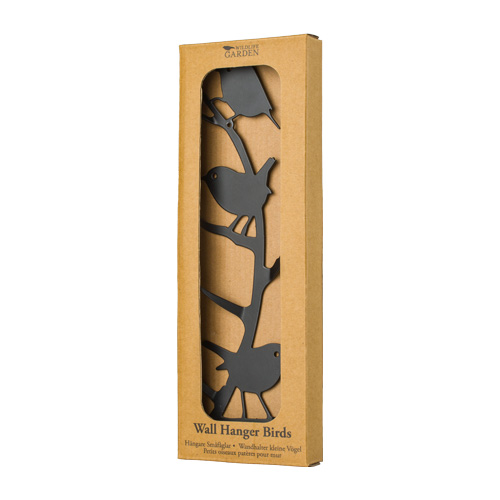
Wall Hanger Birds
- Orders made before 11:00 are processed the same work day. Orders made after 11:00 are processed latest the following work day
- Weight:120g
- EAN:735005476465
Description
Article no.: WG7767
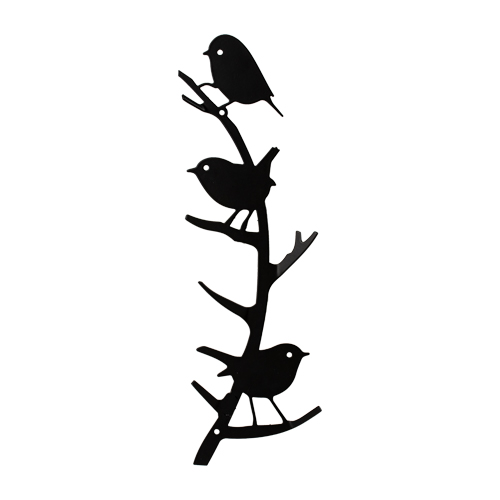
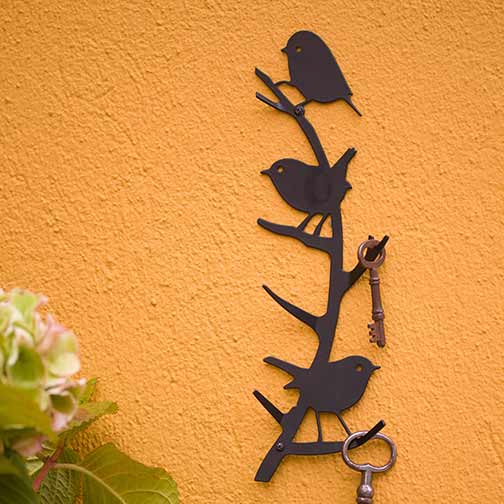
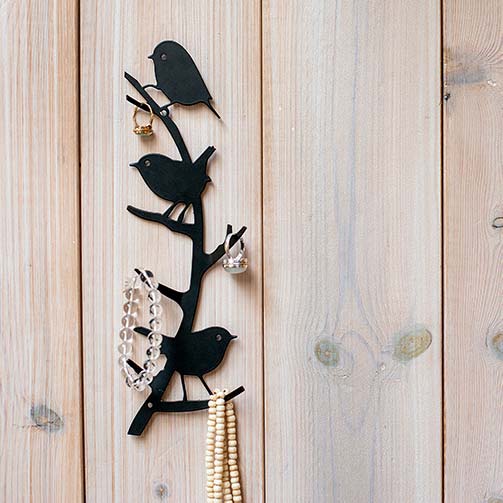
Metal wall hanger with birds
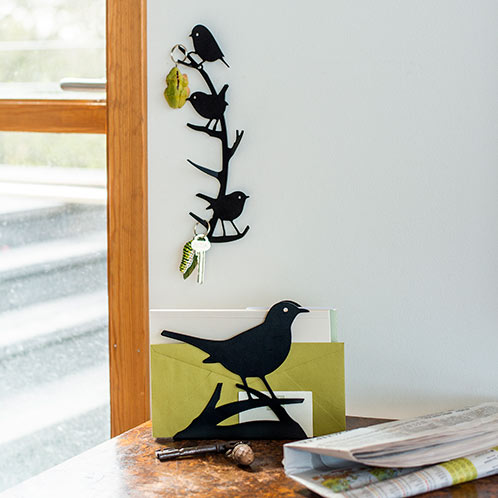
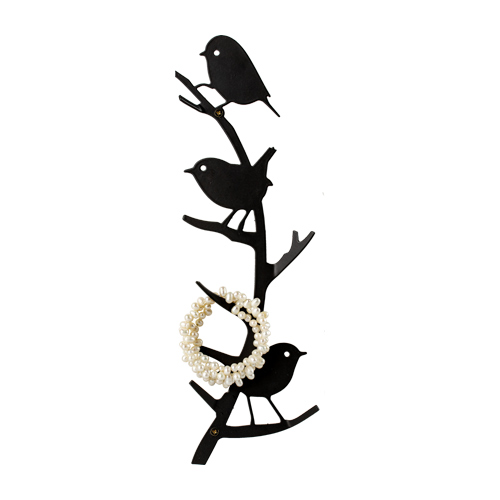
Embellish your wall with this decorative wall hanger for small items. The hanger has four hooks and a max total carrying capacity of 5 kg. It is suitable for organising small items such as keys, dog leashes, jewellery and similar small accessories and items. The wall hanger is inspired by nature and depicts the silhouettes of three of our most popular small birds; robin, blue tit, and wren. The hanger is made out of black powder coated steel and is delivered in an attractive gift box. The hanger is easily mounted using two 3mm screws appropriate for your wall material (not included)About our common garden birds
The blue tit enjoys seeds, bread, and to peck on tallow balls. This tiny adorable bird is a favourite in our gardens. Blue tits happily nest in bird houses. The wren is a restless little brown ‘miniature’ bird with a short, upright tail. It uses its long, pointed beak to pluck insects out of hollows in tree bark and walls. The bird is rarely seen but its loud, vibrant song at dawn announces its presence. The robin is a recognisable bird thanks to its charming appearance, red chest patch and black pepper grain eyes. This lovely little bird usually eats larvae and insects that are found in tree hollows and bark. Some may adjust their feeding in winter and become guests in your bird feeder, while others move south.